Commercial Disclosure Statement: Glide Ebike operates as both a content publisher and retailer of electric bicycles and cycling products. This content contains products sold through our store.
Financial Relationship: We earn revenue from purchases made on products contained within this article. However, products featured have passed our safety and quality evaluation (certifications, materials, design) before commercial consideration.
Editorial Standards: While we endeavor to provide accurate, helpful information drawn from genuine experience with e-bikes and maintenance practices, readers should independently verify information and compare multiple retailers before making purchase decisions.
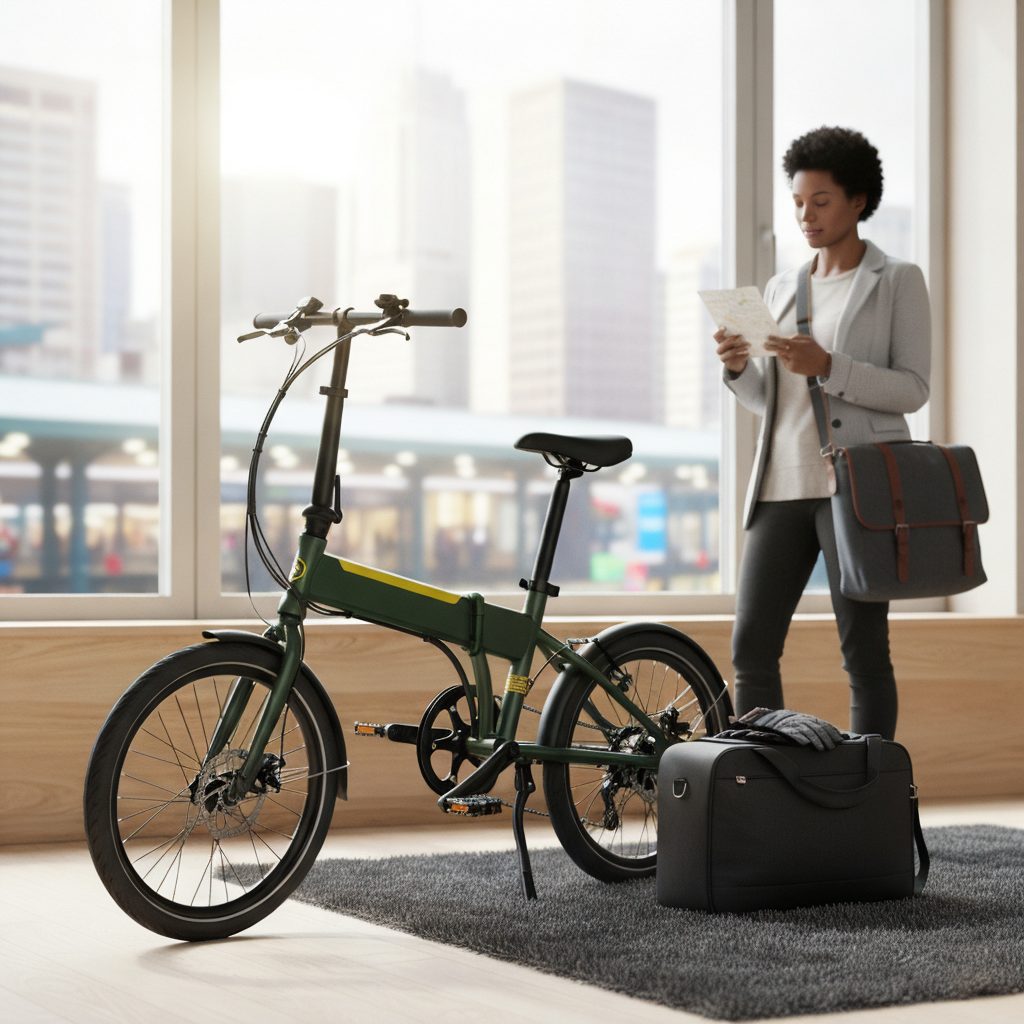
The morning commute doesn't have to involve wrestling with a full-size e-bike on crowded trains or squeezing into tight apartment storage. Last year, I watched a colleague fold their e-bike in under 20 seconds, wheel it onto the subway, and unfold it on the other side—completely transforming my understanding of urban cycling flexibility.
For comprehensive guidance on e-bike selection, start with our complete e-bike buying guide to understand the fundamentals before diving into folding-specific considerations.
Key Takeaways
Folding e-bikes combine urban portability with electric power, ideal for multimodal commuting and limited storage spaces
Wheel size significantly impacts ride quality: 16" for maximum portability, 20" for balanced performance, 24" for comfort
Quality folding mechanisms from brands like Dahon, Tern, and Brompton typically outlast budget alternatives by years
Battery capacity matters more than motor power for most urban riders—aim for 400Wh minimum for 25+ mile range
Weight is critical: 40-55 lbs is manageable for most users; above 60 lbs defeats portability advantages
Budget between $800-$3,500 depending on build quality, with sweet spot around $1,500-$2,000 for daily commuters
Test the folding mechanism before buying—some designs require more force or time than advertised
Why Choose a Folding E-Bike?
Folding e-bikes solve a fundamental problem in urban cycling: storage and transport. Whether you're taking public transit, storing your bike in a small apartment, or traveling in your vehicle, a folding e-bike offers flexibility that standard city e-bikes simply can't match.
During a recent trip to London, I counted six folding e-bikes on a single train car during rush hour. Zero full-size bikes. That's not a coincidence—many transit systems allow folded bikes during peak hours when regular bikes are banned. For riders who prioritize daily commuting convenience, exploring our guide on the best e-bikes for commuting will help you understand which features matter most for urban riding.
🚇
Multimodal Commuting
Seamlessly combine cycling with trains, buses, or rideshares. Most transit systems allow folded bikes without restrictions.
🏢
Office-Friendly Storage
Fold and stow under your desk or in a closet. No need for outdoor bike racks or dedicated parking spaces.
🏠
Apartment Living Solution
Perfect for small apartments without bike storage. Fits in closets, under beds, or in corners without dominating your space.
🚗
Car Trunk Transport
Take your e-bike anywhere without roof racks or hitch mounts. Ideal for RV travel, vacation destinations, or remote work locations.
🔒
Theft Prevention
Bring your bike inside wherever you go. Significantly reduces theft risk compared to street-parked bikes.
✈️
Travel Ready
Some models qualify as checked luggage. Explore new cities on your own familiar bike instead of rental equipment.
Understanding Folding E-Bike Trade-Offs
The portability of folding e-bikes comes with inevitable compromises. Understanding these trade-offs helps set realistic expectations and guides your purchase decision toward models that best match your priorities.
Ride Quality vs. Portability
Smaller wheels mean more road vibration. I once rode a 16-inch folding e-bike over cobblestones for three miles—my hands were numb for an hour afterward. Larger 20-inch wheels smooth out rougher surfaces while maintaining reasonable portability.
The compact geometry also means a less stable ride at high speeds compared to full-size bikes. Most folding e-bikes feel perfectly stable up to 15-18 mph but can feel twitchy above 20 mph, especially with crosswinds. Understanding these limitations helps when comparing folding bikes to alternatives like city e-bikes vs hybrid e-bikes for your specific riding needs.
Battery Capacity Constraints
Frame size limitations restrict battery capacity. While a full-size mountain e-bike might pack a 700Wh battery, folding models typically max out around 450-500Wh.
For most urban commuters doing 5-15 mile trips, this isn't a problem. But if you're planning longer recreational rides or have significant hills, pay close attention to battery specifications and real-world range reports. To understand how battery capacity affects your riding range, check our comprehensive e-bike battery buying guide.
Weight Considerations
Here's the irony: adding electric power to an already-portable bike makes it less portable. A quality folding e-bike typically weighs 40-55 pounds—manageable for short carries but challenging for multiple flights of stairs. When choosing between different bike types, our detailed comparison of fat tire e-bikes vs regular e-bikes explores similar weight and portability trade-offs that apply across e-bike categories.
Factor
Folding E-Bike
Regular E-Bike
Storage Space
2-3 cubic feet when folded
15-20 cubic feet standing
Typical Weight
40-55 lbs
45-65 lbs
Fold Time
15-60 seconds
N/A
Ride Stability
Good up to 18 mph
Excellent at all speeds
Comfort on Rough Roads
Moderate (small wheels)
Excellent (large wheels)
Battery Capacity
300-500Wh typical
400-700Wh typical
Price Range
$800-$3,500
$1,000-$5,000
Critical Features to Evaluate
Folding Mechanism Quality
The folding mechanism is the heart of any folding bike. I've seen cheap hinges fail after just months of daily use, rendering an otherwise functional e-bike useless.
Look for systems from established manufacturers like Dahon (licensed by many brands), Tern's Physis linkage, or Brompton's proprietary design. These mechanisms have decades of proven reliability and readily available replacement parts.
Test the mechanism yourself before buying. Can you fold and unfold it in under 30 seconds? Does it require excessive force? Are there safety latches that engage automatically? A mechanism that's difficult to operate won't get used, defeating the entire purpose.
Pro Tip #1
Check for folding frame warranties separately from the bike warranty. Reputable brands offer 5-10 year folding mechanism warranties—a strong indicator of engineering confidence.
Pro Tip #2
Lubricate folding hinges every 100 miles or monthly, whichever comes first. Use white lithium grease specifically designed for bike components.
Pro Tip #3
Practice folding in different conditions—cold weather, wearing gloves, in rain. Your daily commute won't always be convenient.
Wheel Size Selection
Wheel size fundamentally changes how a folding e-bike rides and folds. Here's what I've learned from riding various sizes extensively:
16-inch wheels create the most compact fold but feel every bump and crack. Best for smooth pavement and riders prioritizing absolute minimum folded size. Common on ultra-compact models like Brompton designs.
20-inch wheels offer the best balance for most riders. Noticeably smoother than 16-inch while still folding reasonably compact. This is the sweet spot for urban commuters.
24-inch wheels approach full-size bike comfort but sacrifice some portability. Consider these if ride quality matters more than achieving the smallest possible fold.
Motor Placement and Power
Most folding e-bikes use rear hub motors for simplicity and cost-effectiveness. These work well for flat to moderate terrain but can feel sluggish on steep hills, especially with a smaller 250W motor.
Mid-drive motors, while more expensive, provide better hill-climbing ability and more natural pedaling feel. However, they're less common on folding bikes due to frame design constraints and higher complexity.
For urban riding with occasional hills, 350-500W is adequate. If you face steep grades regularly or want strong acceleration, look for 750W+ options (where legal in your region). To understand the differences between motor power levels and what you actually need, see our detailed guide on e-bike motor power.
Ignore manufacturer range claims—they're measured in ideal conditions you'll never experience. Instead, focus on battery capacity (watt-hours) and use this rough formula:
Real-world range ≈ Battery Wh ÷ 15
So a 360Wh battery gets you about 24 miles of real-world mixed riding. A 480Wh battery extends that to 32 miles.
Consider your daily commute distance, add 30% buffer for headwinds and hills, and double it if you want to go multiple days between charges. For most urban riders, 400-500Wh provides comfortable daily range without range anxiety.
Quality manifests in details. Here's what to examine closely:
Welds and frame joints: Look for clean, consistent welds without visible gaps or excessive grinding marks. Folding frames experience more stress than rigid frames, so build quality matters more.
Cable routing: Internal cable routing protects wires from damage during folding and creates cleaner aesthetics. External routing is acceptable if cables are well-secured and protected.
Component spec: Brand-name components (Shimano gears, Tektro brakes, Kenda tires) indicate manufacturers invested in quality. Generic or unbranded components often mean cost-cutting throughout.
Battery integration: Integrated batteries look cleaner and protect cells better than frame-mounted battery packs. However, external packs are typically easier to replace when they eventually degrade.
Choosing the Right Folding E-Bike for Your Needs
Decision Flowchart
Step 1: Define Your Primary Use
Daily Commute: Focus on reliability, comfort, and weather protection. Consider fenders and integrated lights.
Multi-Modal Transit: Prioritize folding speed, weight, and compact fold size over performance.
Example: 8-mile commute × 2 = 16 miles × 1.3 = 20.8 miles needed
20.8 miles × 15 = ~310Wh minimum battery capacity
↓
Step 4: Evaluate Portability Needs
If carrying up stairs daily: Maximum 45 lbs, prioritize compact fold
If storing in small spaces: Measure available space before shopping
If minimal carrying: Weight less critical; focus on ride quality
↓
Step 5: Test the Folding Mechanism
Can you fold/unfold in under 30 seconds? Does it require excessive force? Are latches secure and easy to operate?
If the answer to any question is "no," consider different models.
Budget Considerations
Entry Level
$800 - $1,200
What You Get: Basic 250-350W motors, 300-360Wh batteries, generic components, heavier frames (55-65 lbs)
Best For: Occasional riders, short commutes (3-5 miles), budget-conscious buyers willing to accept limitations
Limitations: Shorter range, basic components may need earlier replacement, heavier weight reduces portability benefits
Mid-Range
$1,200 - $2,000
What You Get: 350-500W motors, 400-480Wh batteries, name-brand components (Shimano, Tektro), better frame materials (45-55 lbs)
Best For: Daily commuters, riders wanting reliability without premium pricing, 10-20 mile daily range
Sweet Spot: This range offers the best value for serious riders. Expect 3-5 years of reliable daily use.
Premium
$2,000 - $3,500+
What You Get: 500-750W motors, 480-500Wh batteries, premium components, carbon fiber elements, refined folding mechanisms
Best For: Enthusiasts, daily long-distance commuters, riders prioritizing refined experience and long-term durability
Investment Value: Built to last 5-10+ years with proper maintenance. Higher resale value.
Competing with brands like Rad Power Bikes (RadMini), Lectric XP, Tern (Vektron series), GoCycle, and Brompton Electric, the key differentiator is often folding mechanism quality and weight versus raw power and features.
For budget context, see our comprehensive e-bike price guide covering various bike categories.
Featured Folding E-Bikes from Glide Ebike
We've curated a selection of folding e-bikes spanning various price points and use cases. Each model offers distinct advantages depending on your priorities.
Engwe EP2 Pro Folding Ebike 750W
Motor: 750W Rear Hub
Battery: 48V 13Ah (624Wh)
Range: Up to 40+ miles
Top Speed: 28 mph
Wheel Size: 20 inches
Weight: ~55 lbs
The Engwe EP2 Pro delivers serious power in a foldable package. Its 750W motor provides strong acceleration and confident hill climbing, while the substantial 624Wh battery offers genuine long-range capability. The 20-inch fat tires smooth out rough urban surfaces and handle light trail riding.
The fold mechanism is straightforward and relatively quick, though the bike's weight makes extended carrying challenging. Integrated front suspension adds comfort for longer rides.
Strengths
Powerful 750W motor handles steep hills easily
Large battery capacity provides genuine long-range riding
The Engwe T14 prioritizes portability over power. Available in both 250W (EU-compliant) and 350W variants, it's one of the lighter folding e-bikes we carry. The ultra-compact 14-inch wheels create a remarkably small folded footprint—ideal for tiny apartments or crowded transit.
The trade-off for this portability is a firmer ride on rough surfaces and lower top speed. Best suited for smooth pavement and shorter commutes where compactness matters most.
Strengths
Lightweight at 41 lbs—easiest carrying in our lineup
Ultra-compact fold fits anywhere
Available in legal 250W EU version
Affordable entry point for folding e-bikes
Quick folding mechanism
Limitations
Small wheels feel every bump—uncomfortable on rough roads
Limited battery capacity reduces range
Lower power struggles with steep hills
Smaller frame may not fit taller riders comfortably
This model bridges the gap between folding commuter and off-road capable e-bike. The 20-inch fat tires and full suspension system handle light trail riding while maintaining foldability for transport and storage.
The 750W motor provides ample power for varied terrain, and the large battery capacity supports longer recreational rides beyond basic commuting. The folded size is larger than pure commuter models but remains manageable for car trunk transport.
Strengths
Versatile—handles both street and light trail riding
Full suspension dramatically improves comfort
Powerful motor conquers steep off-road climbs
Large battery supports 30+ mile recreational rides
Fat tires provide excellent traction and stability
Limitations
Heavy at 58 lbs—awkward for stairs or frequent carrying
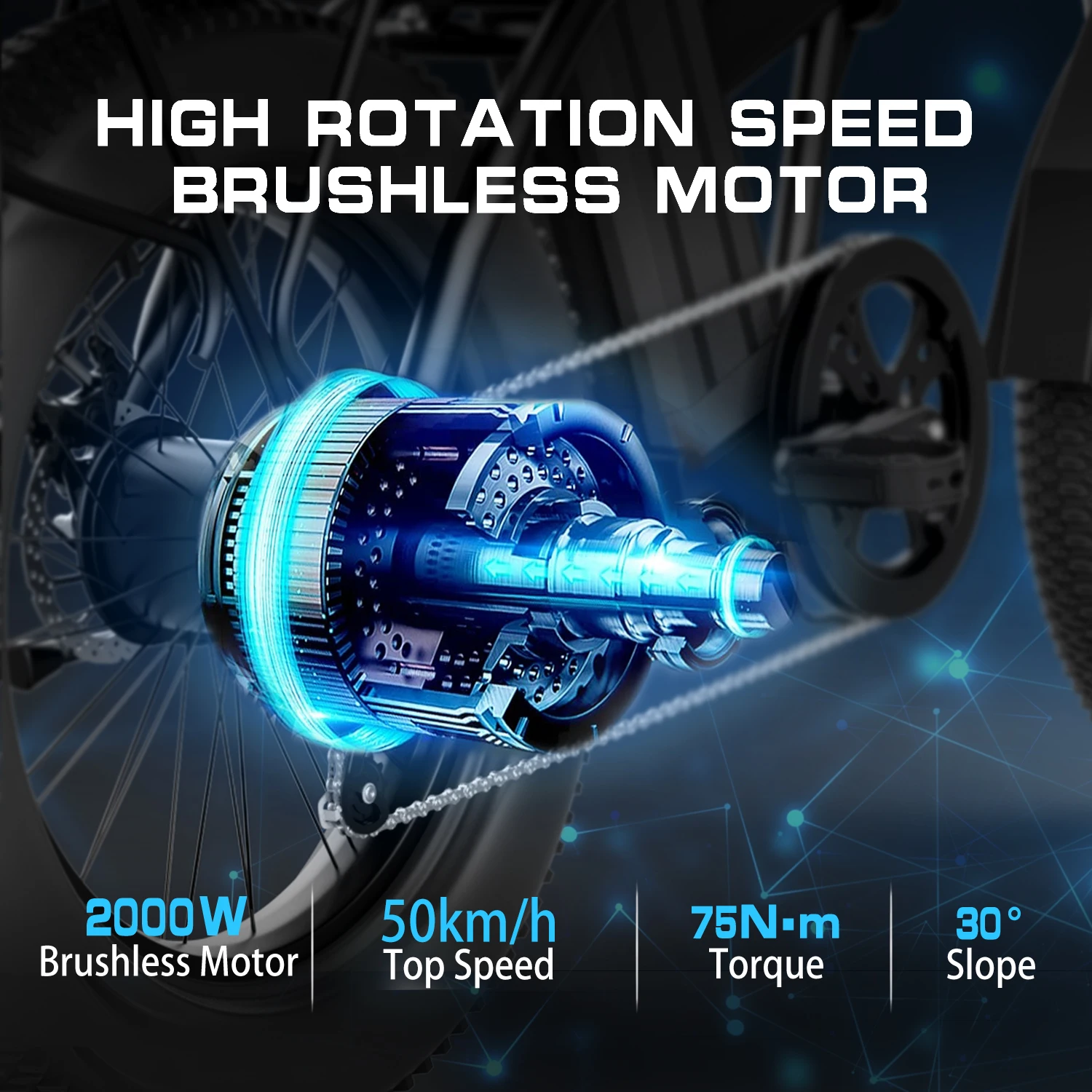
The Deepower G20Pro represents the performance end of folding e-bikes. With a 1000W motor and 720Wh battery, it delivers power and range comparable to many full-size e-bikes while maintaining fold-ability for storage and transport.
This bike targets riders who want maximum performance but need occasional portability—think RV travelers or those with garage storage constraints rather than daily train commuters. The weight and size make frequent carrying impractical.
Strengths
Exceptional 1000W power for steep hills and high speeds
Massive 720Wh battery provides 40+ mile range
Performance rivals many full-size e-bikes
Quality component specification throughout
Excellent for long-distance recreational riding
Limitations
Very heavy at 60 lbs—carrying is genuinely difficult
This model balances power and portability with 750W motor output and 20-inch fat tires. The fat tire design provides confidence on varied surfaces—from city streets to gravel paths—while the folding frame enables car trunk transport for weekend adventures.
The robust construction and powerful motor make this an excellent choice for riders who want versatility without committing to a single bike type. It won't fold as compactly as dedicated commuter models but offers superior ride quality and capability.
Before committing to a folding e-bike, consider how it stacks up against other urban mobility solutions. Each option has distinct advantages depending on your specific situation.
Folding E-Bike vs. Standard E-Bike
If you have secure storage at both home and work, a standard city e-bike offers superior comfort, stability, and battery capacity for similar or lower cost. The ride quality difference is genuinely noticeable on rough pavement. When deciding between bike styles for urban riding, our guide comparing city e-bikes vs hybrid e-bikes can help you understand which type fits your lifestyle best.
Choose a folding model only if you truly need the portability—not just because it seems convenient. Test both types if possible. Last month, a friend who insisted on a folding bike for "flexibility" hasn't folded it once in three months because he has bike storage at both ends of his commute.
Electric scooters offer even more compact folding and lighter weight (25-40 lbs typical). However, they sacrifice stability, range, and comfort compared to folding e-bikes.
Choose an e-scooter if you prioritize absolute portability for very short trips (under 5 miles) and smooth pavement only. Choose a folding e-bike if you want genuine 10+ mile range, ability to carry cargo, and comfortable longer rides.
Folding E-Bike vs. E-Bike Share Programs
Bike share programs (like Citi Bike, Lime, etc.) eliminate ownership costs and maintenance. However, they come with availability issues, variable bike condition, and accumulating rental fees.
Calculate your annual bike share costs. If you'd spend more than $800-1000 annually on rentals, ownership makes financial sense. Owning also means consistent bike fit, your preferred seat and grips, and no hunting for available bikes.
Maintenance Considerations Unique to Folding E-Bikes
Folding bikes require some additional maintenance attention beyond standard e-bike care. The folding hinges and compact design create specific wear points that need regular inspection.
Folding Mechanism Maintenance
Every 2-3 weeks, clean and lubricate all folding hinges with white lithium grease. Dirt and grit work into these joints during regular use, accelerating wear and making folding more difficult.
Inspect safety latches monthly for wear or looseness. These mechanisms take significant stress each time you fold and unfold. I once ignored a slightly loose latch until it failed completely mid-ride—not a fun experience at 18 mph.
Many folding bikes use quick-release components (seatpost, handlebars) that need periodic tension adjustment. Check these every few weeks to ensure they're secure but not overtightened.
Cable and Housing Care
Folding mechanisms bend cables each time you fold the bike. This creates more wear than rigid frame bikes where cables stay stationary.
Inspect brake and derailleur cables every few months for fraying, especially near folding points. Replace cables annually for heavy users or when you notice reduced braking or shifting performance.
Smaller wheels require higher tire pressure for optimal performance—typically 40-65 psi depending on tire size and type. Under-inflated small wheels feel sluggish and increase rolling resistance dramatically.
Check pressure weekly and maintain within the manufacturer's recommended range. I keep a small pump with gauge in my office specifically for this purpose.
Real-World Owner Experiences
Theory meets reality when you start using a folding e-bike daily. Here are lessons learned from extensive real-world use.
Lessons from 18 Months of Daily Folding Bike Commuting
The first month, I folded my bike religiously. By month six, I folded it only when absolutely necessary—parking it locked at my building's bike rack instead when weather permitted. The convenience of folding is wonderful, but the daily hassle of folding adds 3-5 minutes to each trip.
Weather matters more than you expect. Folding mechanisms get stiff in cold weather and gritty in rain. I learned to keep paper towels at work for wiping down the bike after wet rides—folding a dirty bike creates a greasy mess.
The weight factor surprised me most. My 52-pound folding bike felt manageable during the test ride. After carrying it up three flights of stairs daily for a week, I seriously questioned my decision. If stairs are part of your routine, test the actual carrying scenario before buying.
Problem Areas to Watch
Battery brackets on folding bikes take more vibration stress than rigid frames. Check mounting security monthly—loose brackets will eventually damage the battery or frame.
Small wheel bikes eat through tires faster than large-wheel counterparts. The higher rotational speed and increased pressure accelerate wear. Budget for new tires every 1,500-2,500 miles versus 2,000-4,000 for full-size bikes.
Rear racks and fenders can interfere with folding on some models. If you plan to add accessories, verify compatibility before buying. I've seen riders forced to remove fenders every time they fold—completely defeating the convenience purpose.
Pre-Purchase Test Checklist
Before finalizing your folding e-bike purchase, complete these essential tests:
Legal and Regulatory Considerations
Folding e-bikes fall under the same regulations as standard e-bikes, but their portability creates unique legal scenarios you should understand.
Public Transit Regulations
Most transit systems allow folded bikes during all hours, while restricting full-size bikes to off-peak times. However, specific rules vary significantly:
In the United States, Amtrak allows folded bikes in luggage racks without additional fees, while full-size bikes require reservations and fees. Many city subway systems (New York MTA, BART, WMATA) permit folded bikes at all times but ban or restrict unfolded bikes during rush hours.
In the United Kingdom, folded bikes are generally allowed on all trains without restrictions. Germany, France, and Netherlands have similar policies, though some regional trains require bikes to be bagged when folded.
Always verify current policies before traveling—rules change, and enforcement varies by region.
Power and Speed Classifications
Many folding e-bikes exceed 250W EU limits or 750W US federal limits. Understand your local regulations:
In the United States, Class 1 (pedal-assist only, 20 mph), Class 2 (throttle-equipped, 20 mph), and Class 3 (pedal-assist, 28 mph) classifications determine where you can legally ride. Some bike paths ban Class 3 bikes.
European Union countries typically limit e-bikes to 250W continuous power and 25 km/h (15.5 mph) assistance. More powerful bikes are classified as mopeds, requiring registration, insurance, and licenses in most jurisdictions.
Australia and New Zealand similarly limit e-bikes to 250W and 25 km/h. Canada varies by province but generally follows similar limits to the United States.
Certain accessories significantly improve folding e-bike usability and protection.
Essential Accessories
Carrying bag or cover: Protects your bike and keeps grease off your clothes when carrying. Also required on some transit systems. Look for padded shoulder straps if you'll carry frequently.
Compact lock: Standard U-locks work but add significant weight and bulk. Consider folding locks or lightweight cable locks for quick stops. For long-term parking, use the same security approach as any e-bike.
Fenders: Essential if riding in wet conditions. Verify compatibility—some fender designs interfere with folding. Quick-release fenders solve this but add time to folding routine.
Front and rear lights: Many folding bikes lack integrated lighting. USB-rechargeable LED lights add visibility without permanent mounting.
Nice-to-Have Additions
Rear rack and pannier bags: Expands cargo capacity for groceries or work materials. Verify folding compatibility before purchasing—some racks prevent full folding.
Suspension seatpost: Significantly improves comfort on small-wheel bikes. Relatively inexpensive upgrade that reduces road vibration fatigue.
Handlebar bag or basket: Provides accessible storage for phone, wallet, and daily essentials. Choose quick-release models that don't interfere with folding.
Free Download: Folding E-Bike Selection Checklist
Get our comprehensive PDF guide with detailed worksheets to help you:
Calculate your exact range requirements and ideal battery capacity
Compare different folding mechanisms and their pros/cons
Evaluate weight vs. portability trade-offs for your specific use case
Complete a pre-purchase test checklist to avoid buyer's remorse
Track maintenance schedule specific to folding e-bikes
Understand legal requirements in different regions
No email required - Instant download - Printable format
Making Your Final Decision
After researching specifications and reading reviews, trust your hands-on experience most. The "best" folding e-bike is the one you'll actually use daily.
Consider these final reality checks before purchasing:
Storage and portability: Measure your available space precisely. Account for handlebar width and length when folded—advertised folded dimensions sometimes exclude protruding elements. If you're planning to carry the bike regularly, practice with a similar weight (fill a backpack with 45-60 lbs of weight and carry it around for 10 minutes).
Riding position and comfort: Spend at least 15 minutes on a test ride, not just 5 minutes around the parking lot. Does the upright position feel natural? Can you adjust seat and handlebars to your ideal position? Small discomforts multiply over months of daily use.
Realistic range assessment: Calculate actual daily mileage including detours, errands, and occasional longer rides. Add 30% buffer for hills, headwinds, and battery degradation over time. Can the bike's battery capacity handle this comfortably? Range anxiety defeats the joy of e-bike ownership.
Long-term value: Consider total cost over 3-5 years including maintenance, replacement parts, and potential battery replacement ($300-600 eventually). A $1,000 bike requiring frequent repairs may cost more than a $1,800 bike with minimal maintenance.
Conclusion: Choosing Your Perfect Folding E-Bike
Folding e-bikes uniquely solve the urban storage and transport challenge while maintaining most benefits of standard e-bikes. The key is matching the bike's capabilities and trade-offs to your specific needs rather than chasing maximum power or minimum weight alone.
For daily commuters who genuinely need portability—whether for public transit, office storage, or small living spaces—a quality folding e-bike is transformative. The freedom to bring your bike anywhere without car racks or finding parking changes how you approach urban mobility.
However, if you can store a full-size bike at both ends of your commute, the comfort and performance advantages of standard e-bikes usually outweigh folding convenience. Be honest about your actual folding frequency rather than aspirational usage.
The sweet spot for most buyers is a mid-range model ($1,200-$2,000) with 20-inch wheels, 400-500Wh battery, and proven folding mechanism from established manufacturers. This combination delivers reliability, adequate comfort, and genuine portability without extreme compromises in any direction.
Start your search in our folding e-bikes category, but also compare against city e-bikes and step-through models to ensure you're choosing the right bike type for your actual usage patterns. If frame accessibility is important to you, exploring the differences explained in our step-through vs step-over guide can help you make the right choice.
Whatever model you choose, test the folding mechanism extensively before buying, honestly assess your carrying tolerance, and prioritize build quality over raw specifications. A well-chosen folding e-bike becomes an indispensable part of your daily routine—opening doors to easier commutes, spontaneous adventures, and the freedom to take your bike anywhere life leads.
Val is an e-bike specialist with over 10 years of experience riding, maintaining, and testing electric bicycles. At Glide Ebike, Val creates maintenance guides and content based on a decade of hands-on work with e-bike systems, having personally serviced and ridden dozens of different models.
With over 25,000 miles logged across various terrains and conditions, Val's recommendations come from real-world experience with what works—and what doesn't—in everyday e-bike ownership.